Landscape Selection Guide

Among the most frequently asked questions of the District staff concerns proper plant choice for landscaping in the vicinity of onsite wastewater systems. We are pleased that District customers are concerned with maintaining their systems.

Risks of Incorrect Landscaping

The significant risks regarding incorrect landscaping choices involve the following:

  • Infiltration of a system by roots effectively blocking pipes, breaking tanks, and clogging gravel in leachfields.
  • The prevention of evapotranspiration of water from and the transfer of oxygen to a system.
  • The addition of excess water via irrigation to fields designed to dispose of wastewater.

Onsite Wastewater Treatment System (OWTS)

The septic and sump tank are designed to retain water for delivery into the treatment units. The infiltration of roots into these tanks can jeopardize the integrity of the tanks and allow either infiltration of groundwater or exfiltration of effluent directly into the surrounding soil.

Roots may interfere with the proper operation of your OWTS. District staff has seen roots from trees, large shrubs and ice plant block 4" pipes and completely infiltrate the gravel of a disposal system, rendering the system useless.

How to Protect Your Wastewater System

Please use the following information as a guideline for protecting your onsite wastewater system from undue stress:

  • Trees or large shrubs should not be planted directly on or near a sand filter, leachfield(s), or mound(s) of either a pressurized or gravity system. Problematic species include, but are not limited to: Monterey Pine, Monterey Cypress, Eucalyptus, Willow, Bay, Pepper, Poplar, Alder, Aspen, Mayten, Birch, Juniper and Echium. Ivy and ice plants retain too much water and restrict evapotranspiration, oxygen transfer, and the roots clog pipes and gravel. The District recommends avoiding these plants in landscaping in and around the tanks, sand filter, and leachfield.
  • Do not cover your sand filter or leachfield with plastic, as this prevents oxygen transfer.
  • Sod that requires frequent watering should be avoided because of the excess water added to the sand filter or leachfield area that might result in saturation.
  • As a general rule, minimize activities on a sand filter or leachfield area to minimize soil compaction. Never drive across a sand filter or leachfield.
  • Remember that generally, there are only about twelve inches (12") of cover soil between grade and gravel and pipes. Plants with roots extending beyond twelve inches should be avoided in and around the tanks, sand filters, and leachfields. Generally, drought-tolerant plants with shallow roots should be acceptable choices.

Plant Selection Recommendations

The following is a plant list from the County of Sonoma, Public Health Department, and Environmental Health Services that is recommended for mound or pressurized systems:

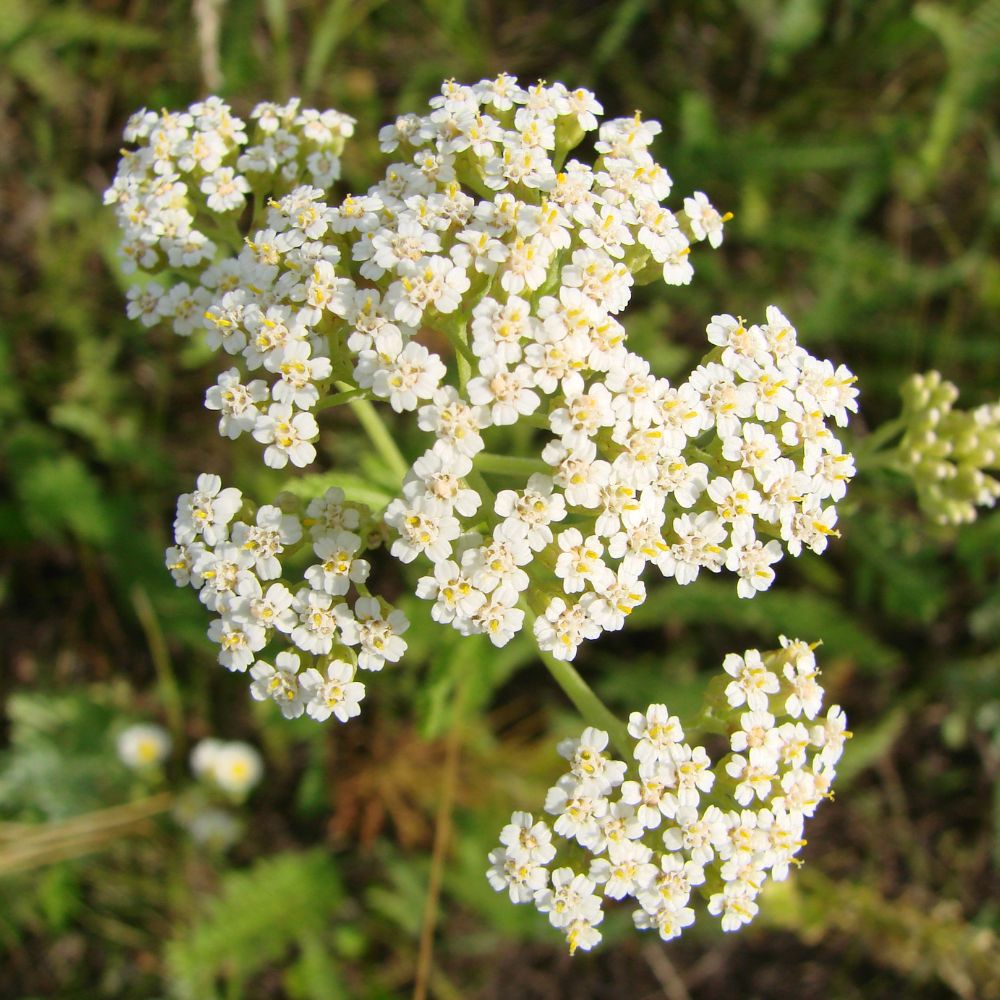
Herbaceous Plants
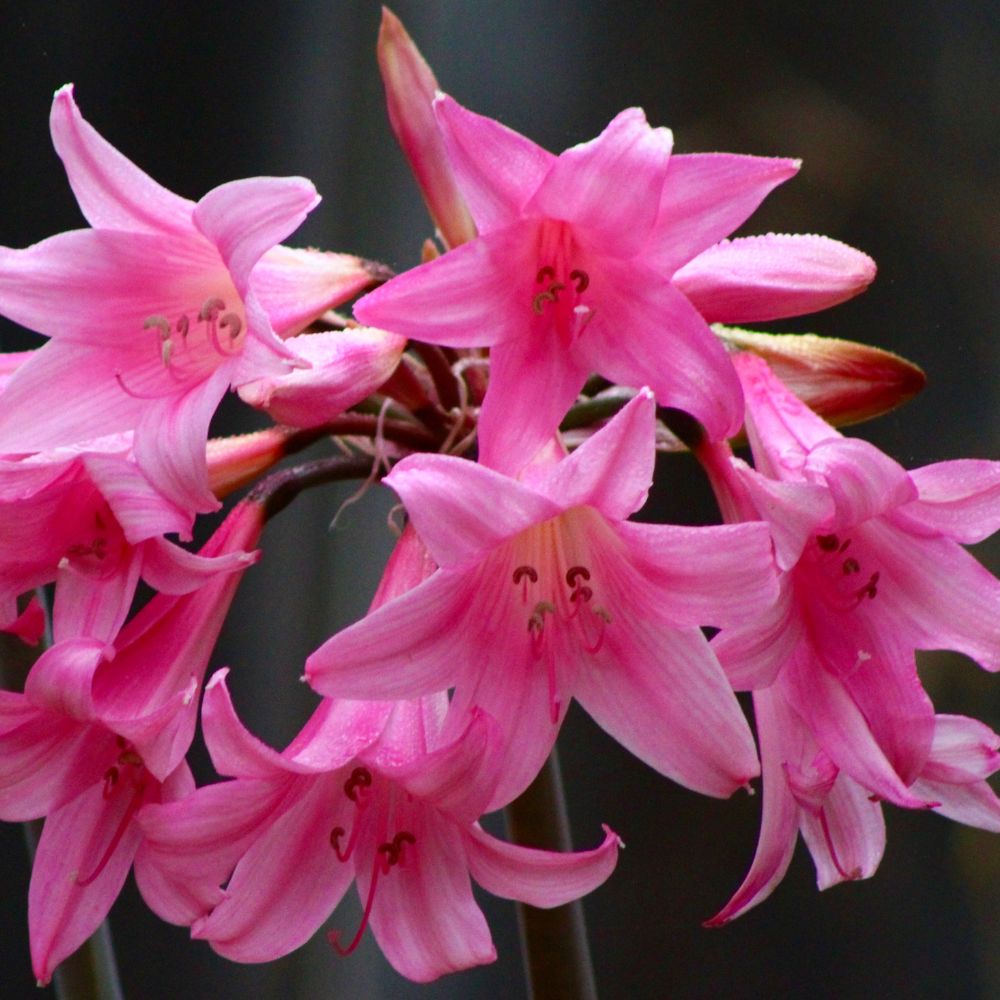
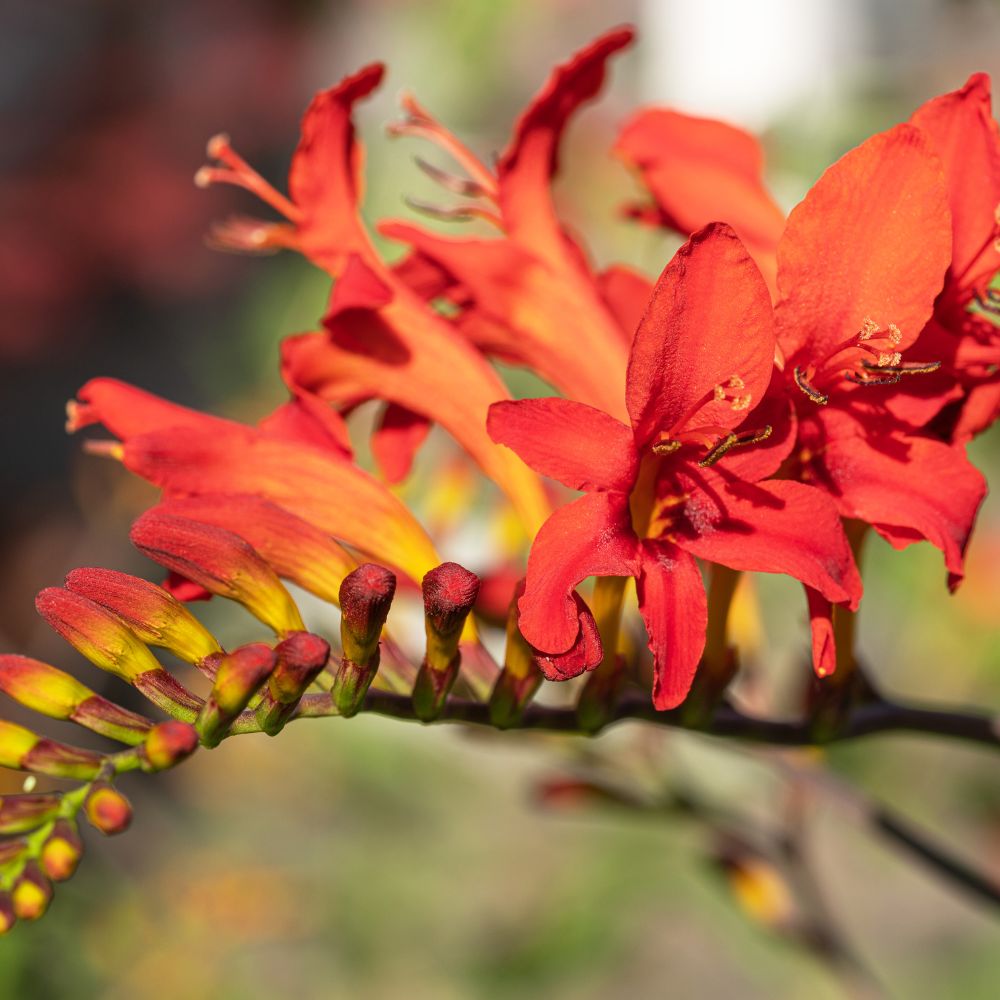
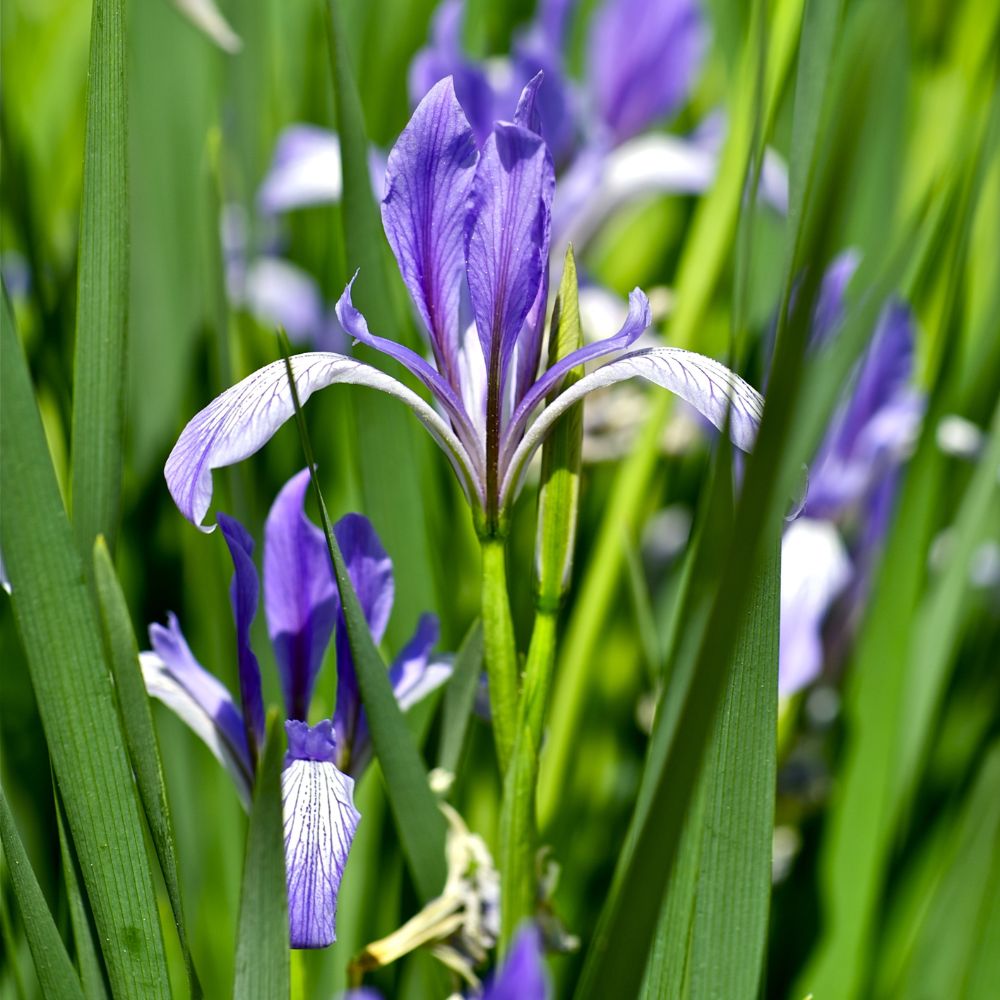
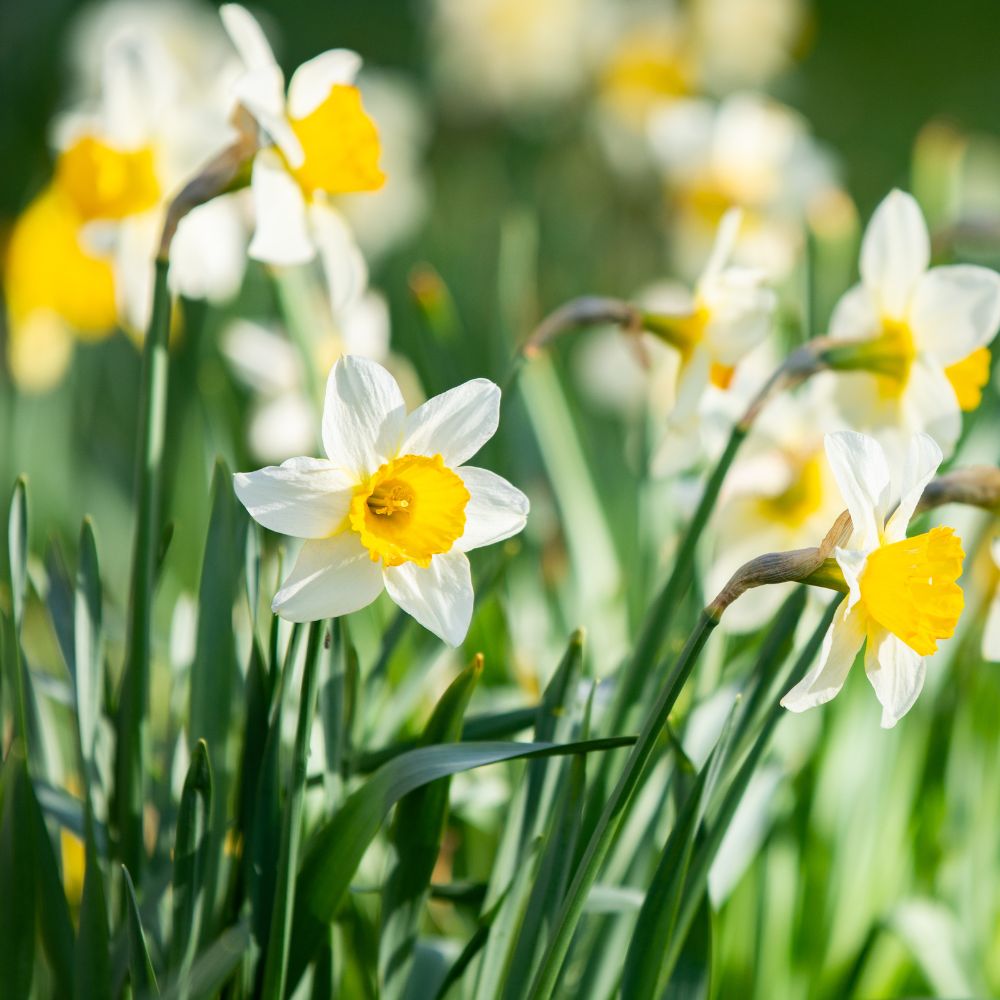
Bulbs