
What you should know about PFAS, or “Forever Chemicals”
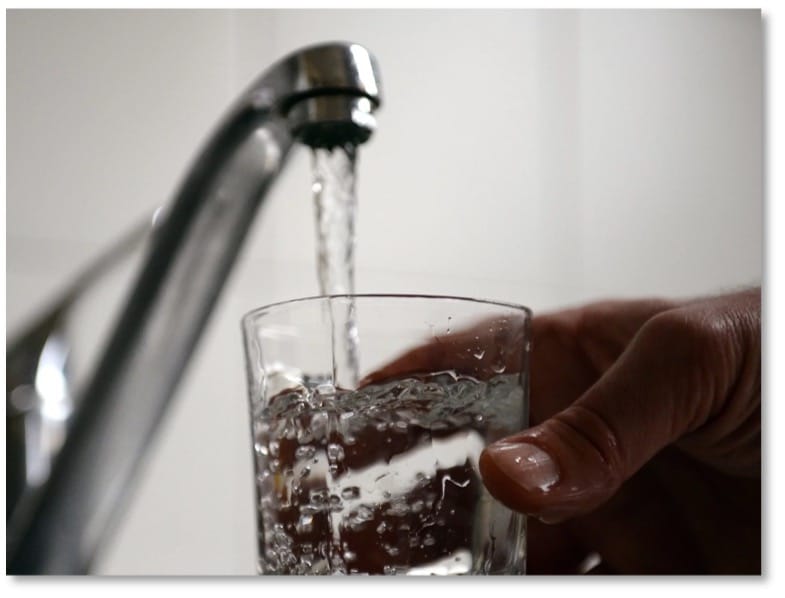
Short for "per-and polyfluoroalkyl substances," PFAS are a class of thousands of man-made chemicals that have been around since the 1940s. Manufacturers use PFAS to make products resistant to oil, heat, stain, or water and they are found in everything from cosmetics, outdoor gear, non-stick pans, food wrappers, fire retardant, and countless other products. As the nickname suggests, "forever chemicals" are here for a long time as they don't naturally break down, which has led to widespread contamination.
Scientists are finding PFAS everywhere. When products like this end up in landfills, these pollutants seep into our soil, air, and drinking water which is how PFAS are ending up in food, wildlife, and even our bloodstream. Scientists are still learning about the effects of PFAS on humans, but studies show these chemicals can harm different systems in the body.
On April 10, 2024, the USEPA finalized a National Primary Drinking Water Regulation (NPDWR) establishing legally enforceable levels, called Maximum Contaminant Levels (MCLs), for six PFAS in drinking water. EPA also finalized health-based, non-enforceable Maximum Contaminant Level Goals (MCLGs) for these PFAS.
The final rule requires that public water systems must monitor for these PFAS and have three years to complete initial monitoring (by 2027), followed by ongoing compliance monitoring. Water systems must also provide the public with information in their annual Consumer Confidence Reports (CCRs) on the levels of these PFAS in their drinking water beginning in 2027.
We are fortunate that our source of water is an isolated and pristine watershed protected by both the State and Federal Park. As such, it is extremely unlikely that any PFAS exists in our source water which is why to date, the District has not detected any. The District will coordinate with the California State Water Board to ensure it continues to meet or exceed all state and federal drinking water standards.
For more information, please visit: www.epa.gov/pfas/pfas-explained
Capital Improvement Planning
What is a capital improvement plan (CIP) and why is it important?
A CIP is simply a long-range plan to replace key infrastructure (e.g. pipes, pumps, treatment plant, etc.). A CIP is important because it allows the District to create, maintain and follow a plan to invest in our capital assets by determining whether to rehabilitate, replace or install new.
Capital infrastructure costs account for a very large portion of the District’s total costs. Without proper long-term planning, we run the risk of not being able to pay for capital costs when we need to, leading to deteriorating service and, ultimately, public health risks. There have been many studies on the capital needs of drinking water and wastewater infrastructure in the United States, and invariably these needs total in the billions of dollars nationwide.

External funding (loans, grants, bonds, etc.) can only cover a portion of these capital needs. Ultimately, the remainder must come from you as customers in the form of the rates you pay for service. Through long-term planning, the District is able to schedule major infrastructure improvements and spread the capital costs over many years to avoid having to raise rates significantly in any one year to pay for a capital project that was unplanned.
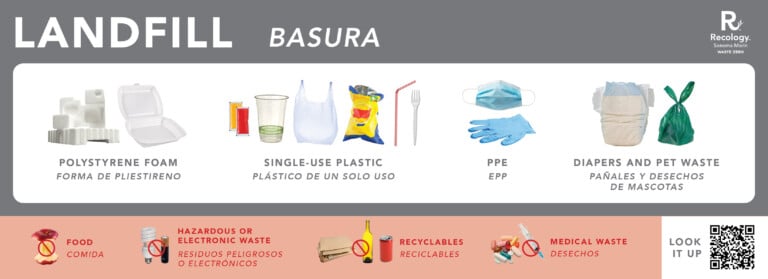
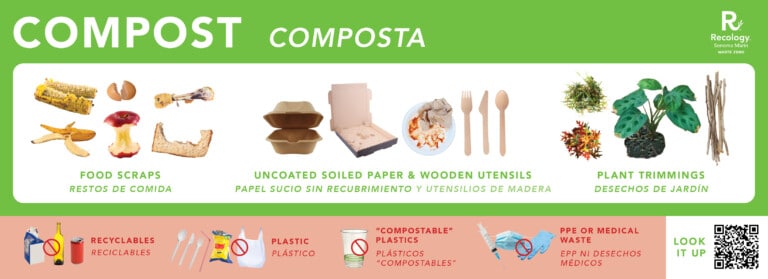
Solid Waste Sorting Guide

Document Request
Submit form to request a digital copy