
Holiday Greetings from Stinson Water!

We are fortunate in this community to have a number of different traditions celebrated this holiday season. Regardless of how or what you celebrate, let this season serve as a time to show kindness and compassion, express gratitude, and celebrate with family and friends.
On behalf of the Board and staff here at Stinson Water, we wish you and your families peace, joy and warmth, and may the year to come be filled with love, good health and prosperity. Thank you for being a valued customer of Stinson Water and we look forward to continue rolling out changes in the coming year to improve our level of service.
Properly maintaining your OWTS
Using a little common sense will prevent most problems with your onsite wastewater treatment system (OWTS). A couple of things to keep in mind:
- For a septic tank system to work properly, the accumulated solids must be pumped out periodically by a licensed septic tank pumper. The frequency of pumping varies by use and practices of each household, but most full-time residents can expect to pump your systemevery three to five years. Failure to pump will result in the accumulation of sludge, which will cause your OWTS to fail.
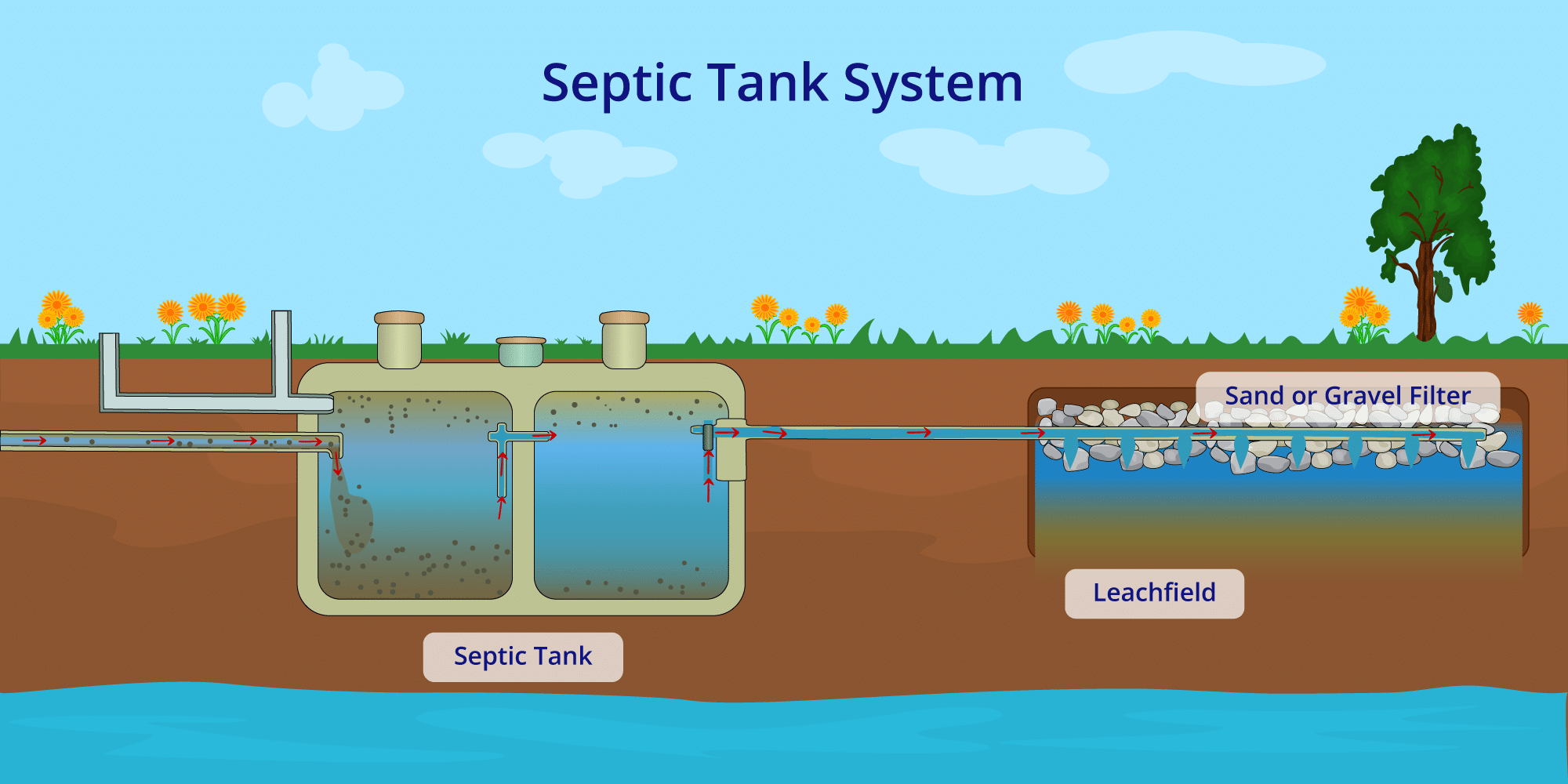
- If your tank alarm sounds, do not ignore it—it’s there to warn you that there is a problem. Contact your service provider as soon as possible.
- During large or prolonged rain events, please reduce the load to your OWTS as high groundwater can adversely affect the treatment capacity of your system.
Imagine a Day Without Water
Water is the most essential source of human life. It hydrates us, keeps us healthy, and cleans our bodies. Water sustains global food systems, economies, and environments. Without it, our families and communities cannot thrive. Its value is impossible to quantify, yet it is incumbent on us not only to recognize the true value of water in our lives but to raise our collective voices to advocate for water investment.
As a nation, we face a myriad of water challenges today. Much of our water infrastructure is more than 100 years old, and the impacts of aging and un-repaired pipes are evident in communities everywhere—in fact, a water main breaks every two minutes somewhere in this country. We increasingly feel the effects of climate change through water, whether it be scarcity or overabundance. And, though not well known, over two million Americans still lack the dignity of access to water and wastewater services.
The way we currently fund water—almost exclusively by local ratepayers—cannot sustain our systems or provide for necessary upgrades. The $55 billion allocated for water through the Bipartisan Infrastructure Law represents the single largest investment in water in the history of our nation. While significant, it will only address a fraction of our water needs: our recent economic impact report found that the water investment gap in 2024 alone is $91 billion.
Despite these challenges, there is good news: people across our country care about water. The 2024 Value of Water Index found that 88 percent of all American voters believe that access to safe and reliable water is a top priority, a belief that crosses geographic and political boundaries. There also is broad bipartisan support for more federal investment to improve our nation’s water infrastructure.
We here at the District are actively involved in evaluating our water system and conducting capital planning to address long-term needs. This effort assures that we can continue to provide a high level of service and minimize overall system risk as we move into the future. This will involve upgrades and improvements to our existing infrastructure (pipes, wells, treatment plant, etc.) and will not come cheaply. We are forecasting the need to spend approximately $50M through 2037 to address the top 25 prioritized capital projects that pose the most risk.
To assist in paying for these desperately needed upgrades, the District is pursuing funding on multiple parallel pathways including, but not limited to federal and state grants, federal and state low-interest loans, and potential bond issue(s). However, this will not be enough.
The Board of Directors is currently conducting a rate study to evaluate our current water rate and fee structure, as the current rate and fee structure has remained static since 2009. No action has been taken yet, but stay tuned – more is coming on this topic as we move into the New Year.

Document Request
Submit form to request a digital copy